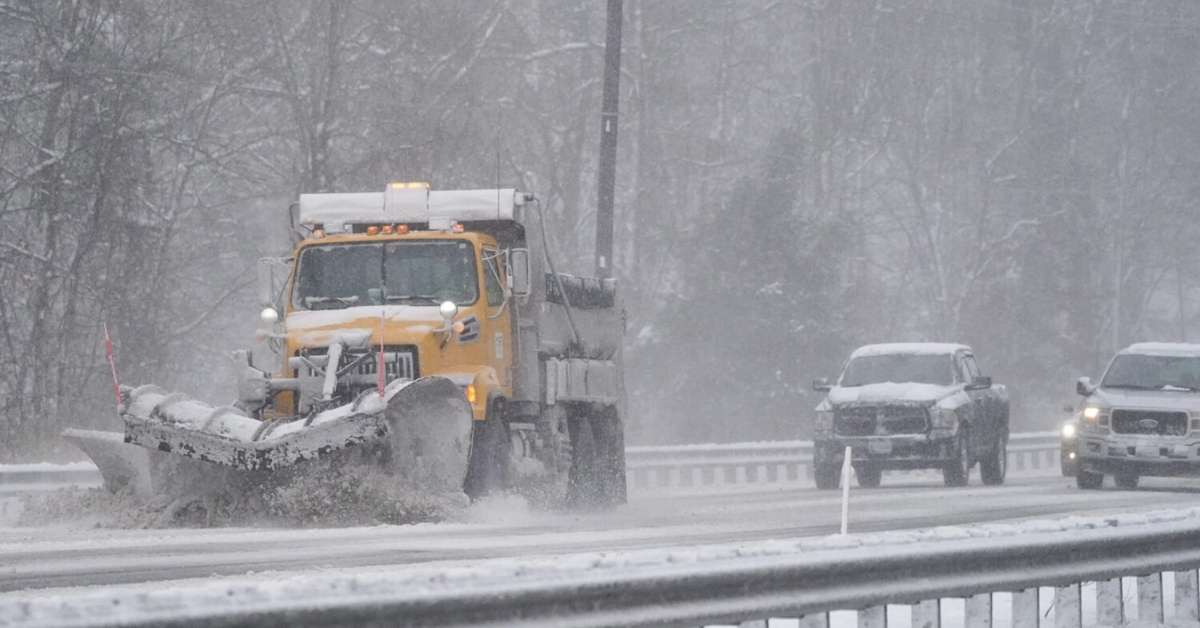
Snow in Alabama always turns heads—and highways. When winter weather hits the Deep South, searches for alabama snow plow spike fast. People want to know if plows exist, how prepared the state really is, and what happens when ice shuts things down.
This article breaks down how Alabama handles snow and ice, who operates snow plows, why winter response looks different than northern states, and what drivers should realistically expect during rare cold-weather events.
Does Alabama Really Have Snow Plows?
Yes—Alabama does have snow plows, just not in the numbers you’d see up north.
Why Alabama Snow Plows Are Limited
Alabama averages very little snowfall each year. Because of that:
- Snow plows are often multi-purpose trucks
- Equipment is shared across districts
- Priority is given to major highways and interstates
The goal isn’t perfection—it’s safety and access.
Who Operates Alabama Snow Plow Services?
Most snow and ice response is handled by Alabama Department of Transportation (ALDOT).
ALDOT’s Role During Winter Weather
ALDOT is responsible for:
- Treating bridges and overpasses
- Clearing major interstates and U.S. highways
- Monitoring road conditions statewide
- Coordinating with local and emergency agencies
Local cities and counties may also operate limited snow plow or salt trucks for secondary roads.
How Alabama Snow Plow Operations Work
Unlike northern states, Alabama focuses more on prevention than heavy plowing.
Typical Winter Storm Response
When cold weather is forecast, crews may:
- Pre-treat roads with brine or sand
- Monitor temperatures and moisture
- Deploy snow plows only if accumulation occurs
- Focus on bridges first (they freeze faster)
Ice—not snow—is the biggest threat in Alabama.
Why Ice Is a Bigger Problem Than Snow
If you’re researching alabama snow plow, ice explains most of the concern.
Southern Winter Challenges
- Temperatures hover near freezing
- Snow often melts and refreezes
- Roads lack constant salt buildup
- Drivers have limited winter-driving experience
This combination makes even light snowfall dangerous.
What Roads Get Plowed First in Alabama?
Snow plows in Alabama follow a strict priority system.
Road Priority Levels
- Interstates (I-65, I-20, I-59)
- Major U.S. highways
- State routes
- Local and rural roads (last priority)
Residential streets may not see plows at all during minor storms.
Equipment Used for Alabama Snow Plows
Alabama uses adaptable equipment instead of dedicated fleets.
Common Snow-Response Tools
- Trucks with attachable plow blades
- Salt and sand spreaders
- Liquid brine sprayers
- Weather and road sensors
This keeps costs reasonable while maintaining readiness.
READ MORE >>> AgentCarrot ATX Bogus? Facts, Myths, and How to Verify
How Drivers Should Prepare When Snow Is Forecast
Even with snow plows, personal responsibility matters.
Smart Tips for Alabama Winter Driving
- Avoid travel if possible
- Watch ALDOT traffic updates
- Be cautious on bridges and ramps
- Drive slower than normal
- Keep emergency supplies in your vehicle
In Alabama, staying home is often the safest move.
FAQs About Alabama Snow Plow Operations
Does Alabama have enough snow plows?
Alabama has enough snow plows for rare events, not constant snowfall. The system is built for efficiency, not volume.
Are Alabama roads salted?
Yes, but selectively. Sand, brine, and salt are used mainly on major routes and bridges.
Why do roads shut down so quickly?
Ice forms fast, drivers aren’t used to winter conditions, and plows are limited—closing roads prevents accidents.
Who decides when snow plows are used?
ALDOT monitors forecasts and road conditions before deploying snow plows and treatment crews.
Conclusion
The alabama snow plow system isn’t designed for constant winter storms—and it doesn’t need to be. Alabama focuses on strategic prevention, limited plowing, and public safety during rare but impactful winter events.
Understanding how the system works helps drivers set realistic expectations and stay safe when snow or ice hits. If you want to be prepared, the smartest move is staying informed and cautious.